


As one of the world’s most fundamental agricultural commodities, rice forms the primary nutritional cornerstone for billions of people globally. This strategic grain not only plays a critical role in ensuring community food security but also holds a prominent position as a vital trade asset in international markets. With a distinguished legacy in export, import, and large-scale distribution, Alaeddin has consistently strived to satisfy the diverse demands of its clientele by offering the finest rice selections from around the world.
In this comprehensive article, we present an in-depth analysis of various rice varieties, focusing on three key production and export regions: Iran, Pakistan, and India. Each of these nations, blessed with a rich agricultural heritage and unique climatic conditions, cultivates distinctive types of rice defined by their exceptional qualities and exceptional culinary profiles.
Rice is one of the oldest agricultural products, with its cultivation dating back more than ten thousand years. Archaeological evidence indicates that rice cultivation first began in Southeast Asia, particularly in the Yangtze River basin in China. Since then, rice has gradually expanded to other parts of the world, becoming one of humankind’s most vital food sources.
Throughout history, rice cultivation has been recognized not merely as an agricultural activity, but as an integral part of the culture and civilization of various societies. In many Asian countries, rice is not only a staple food but also plays a central role in religious ceremonies, celebrations, and traditional rituals. This cultural and economic significance has led major producers and distributors, such as Alaeddin Food Industries, to place a special focus on the quality and variety of rice within their product portfolio.
Today, rice serves as the primary source of carbohydrates for over half of the global population. Countries such as China, India, Indonesia, Bangladesh, Vietnam, Thailand, Myanmar, the Philippines, Brazil, and Japan are among the world’s largest producers and consumers of rice. In the Middle East region as well, Iran, Pakistan, and Iraq are major consumers of this strategic commodity.
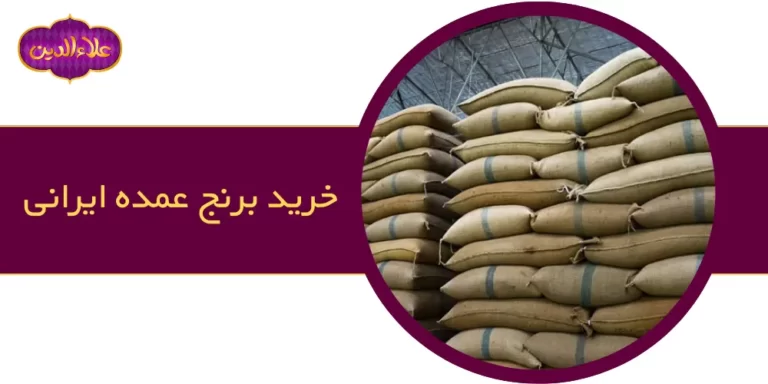
Iranian rice, with a cultivation history spanning several millennia in northern Iran—particularly in Gilan and Mazandaran provinces—has achieved global renown. The temperate and humid climate of these regions, combined with fertile soil and abundant water, provides ideal conditions for cultivating exceptionally high-quality rice. Northern Iranian rice enjoys immense popularity among both domestic and international buyers due to its distinctive aroma and flavor, pearly white color, and delicate texture after cooking.
Tarom Rice: Cultivated in the Hashemi Tarom region of Gilan province, this variety is considered one of the finest types of Iranian rice. Tarom rice grains are relatively short and wide, possessing an extraordinary aroma and flavor. After cooking, this rice develops a slightly sticky texture, making it ideal for many traditional Iranian dishes. Due to its superior quality and lower agricultural yield, Tarom commands a higher price than other rice varieties and is recognized as a premium product in international markets.
Hashemi Rice: Grown in Gilan province, Hashemi rice is among the most famous and popular varieties of Iranian rice. Featuring medium to long grains and a signature aroma, it is highly favored by both Iranian and international consumers. Upon cooking, Hashemi rice yields separate, fluffy grains, making it exceptionally well-suited for preparing Iranian pilafs. Due to limited production and high demand, authentic Hashemi rice has consistently maintained a strong market value.
Domsiah Rice: Named for the dark coloration at the tip of its grain, this variety is cultivated in Mazandaran province. Domsiah rice features medium-sized grains and acquires a soft, cohesive texture after cooking. It is exceptionally well-suited for preparing traditional northern dishes and possesses a distinct, delightful flavor that sets it apart from other rice varieties.
Fajr Rice: This is an improved cultivar of Iranian rice developed in recent decades and cultivated across various regions of northern Iran. Fajr rice features long, slender grains and offers a higher agricultural yield compared to traditional cultivars. Exhibiting a favorable level of quality and a more accessible price point, it has gained substantial popularity within the domestic market.
Challenges and Opportunities for Iranian Rice in the Global Market
Despite its superior quality, Iranian rice faces certain challenges in the export arena, including production constraints, high cultivation costs, and competition with major Asian producers. Nevertheless, the unique quality of Iranian rice and the escalating global demand for organic, high-performance products present favorable opportunities for expanding exports of this commodity.
Companies such as Alaeddin Food Industries—active in large-scale transactions and the extensive distribution of food products—can facilitate the growth of Iranian rice exports to target markets such as the Persian Gulf states, Europe, and North America by establishing efficient supply chains, standardizing packaging, and ensuring consistent quality. These markets exhibit significant demand for Iranian rice, driven particularly by expatriate Iranian communities and enthusiasts of authentic, high-quality cuisine.
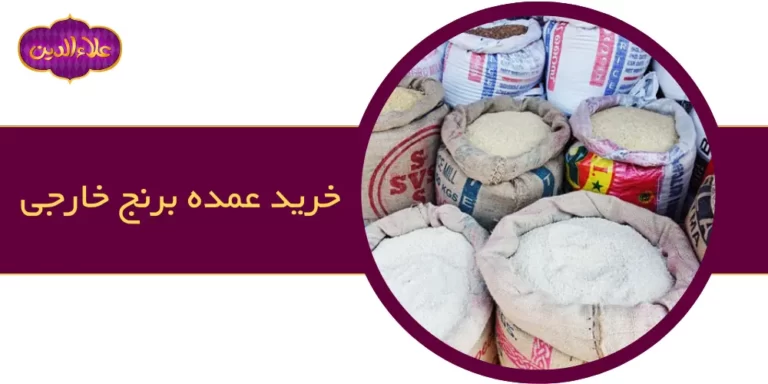
India is not only the world’s largest producer of rice but is also recognized as its leading exporter. With a population exceeding 1.4 billion people, the country is itself the largest consumer of rice globally. India’s diverse climate, ranging from the tropical southern regions to the temperate northern zones, enables the cultivation of a wide variety of rice.
Like Pakistan, India is a major producer of Basmati rice. Cultivated primarily in the states of Punjab, Haryana, and Uttar Pradesh, Indian Basmati rice boasts exceptionally high quality and serves as a serious competitor to Pakistani Basmati in global markets.
Pusa Basmati Rice: Developed by the Indian Agricultural Research Institute, this variety is one of the most popular types of Indian Basmati. Pusa Basmati features long, fragrant grains that yield a soft texture and separated grains after cooking. It has received an enthusiastic reception in international markets.
Traditional Basmati Rice: Traditional varieties of Indian Basmati, cultivated for generations in the region, remain a staple in the market, preferred by consumers seeking an authentic, traditional flavor.
India produces a vast array of non-Basmati rice varieties, each suited for specific culinary applications:
Sona Masoori Rice: Cultivated mainly in the states of Andhra Pradesh and Karnataka, this is one of the most popular rice varieties in southern India. It features medium-sized grains and is lighter than Basmati rice. After cooking, Sona Masoori acquires a soft and slightly sticky texture, making it ideal for South Indian dishes.
PR Rice (Parboiled Rice): Indian parboiled rice is a major export product. Before processing, the rice undergoes a heat and steam treatment that allows some of the vitamins and minerals present in the bran to penetrate the grain. Parboiled rice yields firm, separated grains after cooking, making it suitable for industrial applications and dishes requiring longer cooking times.
Ponni Rice: Cultivated in Tamil Nadu, this is a popular local variety in southern India. Ponni rice features short, thick grains and is well-suited for preparing traditional Tamil dishes.
Kolam Rice: Grown in Maharashtra, this medium-grained variety enjoys great popularity in the domestic Indian market due to its reasonable price and acceptable quality.
IR-64 Rice: This long-grain variety, developed by the International Rice Research Institute, is widely cultivated in India. It is well-suited for export to African and Middle Eastern markets and holds strong appeal in large-scale trading due to its competitive pricing.
Specialty and Local Indian Rice Varieties
India also boasts an astonishing variety of local and specialty rices, each with unique characteristics:
Black Rice: Cultivated in northeastern India, this variety is recognized as a superfood due to its dark color and high antioxidant content. In recent years, black rice has gained immense popularity in health-conscious markets.
Red Rice: Grown across various regions of India, this rice features a red husk rich in fiber and nutrients. Due to its health benefits, red rice is seeing a growing demand in organic and wellness markets.
Basmati 370 Rice: This variety has shorter grains than regular Basmati while still offering a delightful aroma and flavor. Thanks to its more affordable price point, it is an ideal option for consumers looking for aromatic rice at a more economical cost.
With annual exports exceeding 20 million tons, India is the world’s largest rice exporter. The country exports various types of rice to over 150 nations. Bangladesh, Nepal, Benin, Senegal, Côte d’Ivoire, Saudi Arabia, the United Arab Emirates, Iran, Iraq, and the United States are among the most significant export destinations for Indian rice.
The competitive pricing, high diversity, and suitable quality of Indian rice have secured its special place in global wholesale trade. Companies such as Alaeddin Food Industries—active in export, import, and wide-scale supply—can play a vital role in importing high-quality rice varieties from India. One of the most crucial steps in this process is guaranteeing the quality and standardizing the imported rice to ensure domestic consumer satisfaction. Backed by bulk-sourcing capabilities, Alaeddin Food Industries carefully evaluates export conditions from the origin country, implements rigorous quality measures for the supplied products, and prevents the entry of substandard rice.
Beyond product quality, the diversity of rice produced in India provides merchants and international companies with the opportunity to tailor their product portfolios for various consumer groups. Indian Basmati rice, with its rich aroma and flavor, is suited for luxurious culinary preparations, whereas non-Basmati varieties such as IR-64 and Sona Masoori serve as ideal options for daily consumption or home-style cooking.
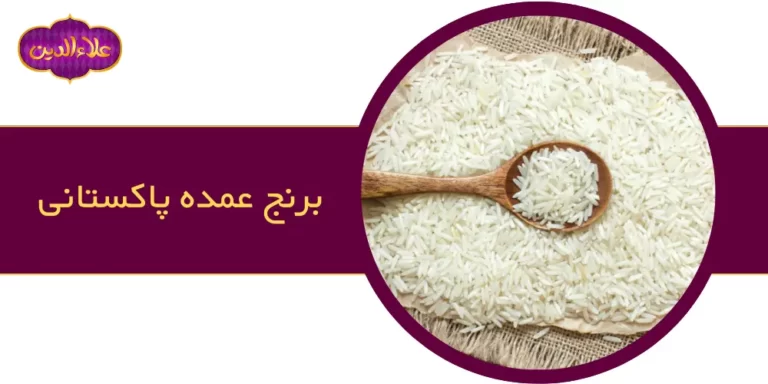
Pakistan is one of the world’s largest producers and exporters of rice. Blessed with a diverse climate and vast agricultural regions, the country produces a wide variety of rice, each boasting unique characteristics. Pakistani rice enjoys high popularity, particularly in the markets of the Middle East, Africa, and Europe, securing a significant share of global rice trade.
Pakistani Basmati rice, particularly the varieties cultivated in the Punjab region, ranks among the most famous and highest-quality rices in the world. The word “Basmati” derives from the Sanskrit word “vasmati,” meaning “fragrant,” which perfectly captures the primary characteristic of this rice type.
Super Basmati Rice: Offered under various brand names such as Super Basmati, this rice features exceptionally long and slender grains that can reach 8 millimeters or more in length. Upon cooking, the grain length doubles, and its distinct, robust aroma fills the kitchen. Super Basmati is immensely popular among restaurants and consumers seeking top-tier, aromatic rice.
1121 Basmati Rice: A relatively new cultivar of Pakistani Basmati, this variety has become one of the top-selling rices in the global market in recent years. 1121 features extraordinarily long grains that can reach up to 8.4 millimeters. After cooking, it yields a very soft texture with completely separate, fluffy grains. Its mild aroma and delightful flavor have driven high demand in international markets.
Kernel Basmati Rice: Sometimes recognized as standard Basmati, this variety features medium-length grains. Although its quality is slightly lower than Super Basmati or 1121, it still offers a desirable aroma and flavor, remaining popular among consumers due to its more affordable price point.
In addition to Basmati, Pakistan produces and exports various other types of rice suitable for diverse applications:
IRRI Rice: Produced using cultivars developed by the International Rice Research Institute (IRRI), this is one of the most widely used types of rice in Pakistan. IRRI rice features shorter and thicker grains compared to Basmati and, due to its low price and high agricultural yield, is well-suited for bulk supply and general consumption. It is typically popular in markets across Africa, the Middle East, and several Asian countries.
Standard White Rice: Encompassing various cultivars, this category of rice is used for everyday consumption and the preparation of traditional Pakistani dishes. These rices are generally reasonably priced, holding strong appeal for large-scale trading in regional markets.
Pakistan is among the top ten rice exporters globally, shipping millions of tons of rice to various international markets annually. The Persian Gulf states, Saudi Arabia, the United Arab Emirates, Kenya, Somalia, Yemen, Afghanistan, and Indonesia are among the most significant export destinations for Pakistani rice.
With its extensive international distribution network, Alaeddin Food Industries consistently strives to offer its customers the finest rice quality at competitive prices by establishing direct relationships with reputable Pakistani producers. Backed by extensive experience in wholesale trading, the company is fully equipped to meet the diverse needs of its clients, ranging from premium Basmati rice to economical varieties.
High-quality Iranian rice enjoys immense popularity among its loyal customer base due to its unique aroma and flavor. However, domestic production limitations have hindered its broader global market competitiveness. In contrast, Pakistani and Indian rices command a larger share of the global rice export market, driven by exceptional product variety, desirable quality, and competitive pricing.
Flavor and Aroma Characteristics: Iranian rice typically features a rich, delightful fragrance and yields a soft, pleasant texture upon cooking. Conversely, both Indian and Pakistani Basmati rices have earned global renown for their signature aromas that fill the kitchen with fragrance once cooked.
Rice Diversity: Indian rices offer extensive diversity, ranging from premium cultivars—such as Super Basmati and Pusa—to economical varieties like IR-64. Similarly, Pakistan presents a broad spectrum of products, spanning from aromatic Basmati to standard IRRI rice grades.
Pricing Dynamics: While premium Iranian rices command higher price points due to their exceptional quality, diverse Indian and Pakistani variants offer scalable pricing tailored to various market segments. These pricing differences empower enterprises engaged in wholesale and large-scale trade to optimize pricing strategies and strengthen market share across diverse regions, leveraging the extensive portfolio of global grain distributors like Alaeddin Food Industries.
The impact of technology on the quality and increased yield of rice cultivation has been entirely evident in recent years. The utilization of modern methods in plant breeding, improved cultivation techniques, smart irrigation, and the application of advanced equipment have enabled farmers to boost their performance and positively influence the final product quality.
Particularly in countries like Iran, India, and Pakistan, where warm and sunny climates provide favorable conditions for rice growth, the development of agricultural technology has significantly contributed to enhancing the international competitiveness of these nations. Alaeddin Food Industries, focusing on partnerships with producers equipped with modern machinery and advanced production processes, has consistently endeavored to provide consumers with the finest and most standard rice products.
Organic Nutrition and Healthy Rice: A prominent trend in the rice market over recent decades has been the surge in demand for organic products. Cultivated without the use of chemical substances and leveraging natural processes, organic rice is introduced as a health-oriented choice. The production and export of this specific rice type require meticulous planning, which food industries operating on a global scale can effectively capitalize upon.
Selecting the finest type of rice ultimately depends on your personal preferences and the specific dish you intend to prepare. If you are cooking traditional Iranian cuisine such as Kateh, premium Iranian varieties like Tarom and Hashemi are highly recommended. For mixed rice dishes and flavorful specialties such as Tahchin, you can select between high-grade Iranian rice (Tarom or Hashemi) and premium Indian Basmati rice.
Brown rice retains its natural bran layer, making it significantly more suitable for individuals seeking high nutrient density and elevated dietary fiber. Conversely, while white rice boasts a softer texture, a more delicate flavor profile, and a faster cooking time, it contains lower amounts of essential nutrients and fiber compared to the brown variety.
Yes, organic rice is indeed a worthwhile investment for health-conscious consumers. Cultivated entirely without the use of synthetic pesticides or chemical fertilizers, it presents a wholesome and highly suitable dietary option for individuals with sensitivities. However, due to its rigorous cultivation standards, it typically commands a higher price point compared to conventional varieties.
India holds a prominent position in the global rice trade, offering a vast array of premium varieties including Basmati, Sona Masoori, Parboiled (IR-64), Black rice, and Red rice. These exceptional grains are exported to key international markets across the Middle East, Africa, and Europe.
Owing to the region’s unique climate and specialized cultivation techniques, Pakistani rice is predominantly of the Basmati variety, distinguished by its extra-long grains and exquisite aroma. By contrast, Iranian rice commands a higher price point due to its exceptional quality and captivating scent, while Indian rice is renowned for its extensive diversity across both Basmati and non-Basmati varieties.
Rice is not only a vital global staple but also exerts a profound influence on macro-commerce, international distribution, and large-scale food trading. Nations such as Iran, India, and Pakistan have secured a prominent position in global trade by cultivating high-quality rice and offering remarkable variety across this agricultural commodity.
For enterprises like Alaeddin Food Industries, engaged in export, import, and large-scale supply, a comprehensive understanding of market dynamics, reputable producers, and consumer preferences is of paramount importance. This expertise not only sharpens competitive advantage but also contributes to the expansion of global trade in this strategic grain. Ultimately, rice will steadfastly maintain its status as the “world’s primary staple,” as demand for this essential foodstuff remains unwavering despite economic or social transformations.